Key Takeaways
- Clean sidewalks and entrances protect property values and community appearance.
- Algae and mildew are slip hazards, not just cosmetic problems.
- Concrete takes strong pressure while brick and signage need gentle soft washing.
- A recurring schedule keeps costs predictable and buildup from getting bad.
- Redeemed Pro Wash is licensed, insured, local, and offers free estimates.
Keeping HOA sidewalks and common areas cleaner is one of the simplest ways to protect property values and keep residents happy. Clean walkways, entrances, and shared spaces show that a community cares, and that impression carries weight with buyers and visitors alike.
In North Carolina, the challenge is constant. Red clay stains concrete. Pollen coats everything in spring. Humidity feeds mildew and green algae on shaded sidewalks and monument walls. What starts as a light film turns into dark, slick buildup if nobody addresses it.
This guide is for HOA board members and property managers across the Triad. It covers which common areas need attention, why organic growth is more than a cosmetic issue, and how to plan cleaning that fits an association budget.
Common Areas That Need Regular Attention
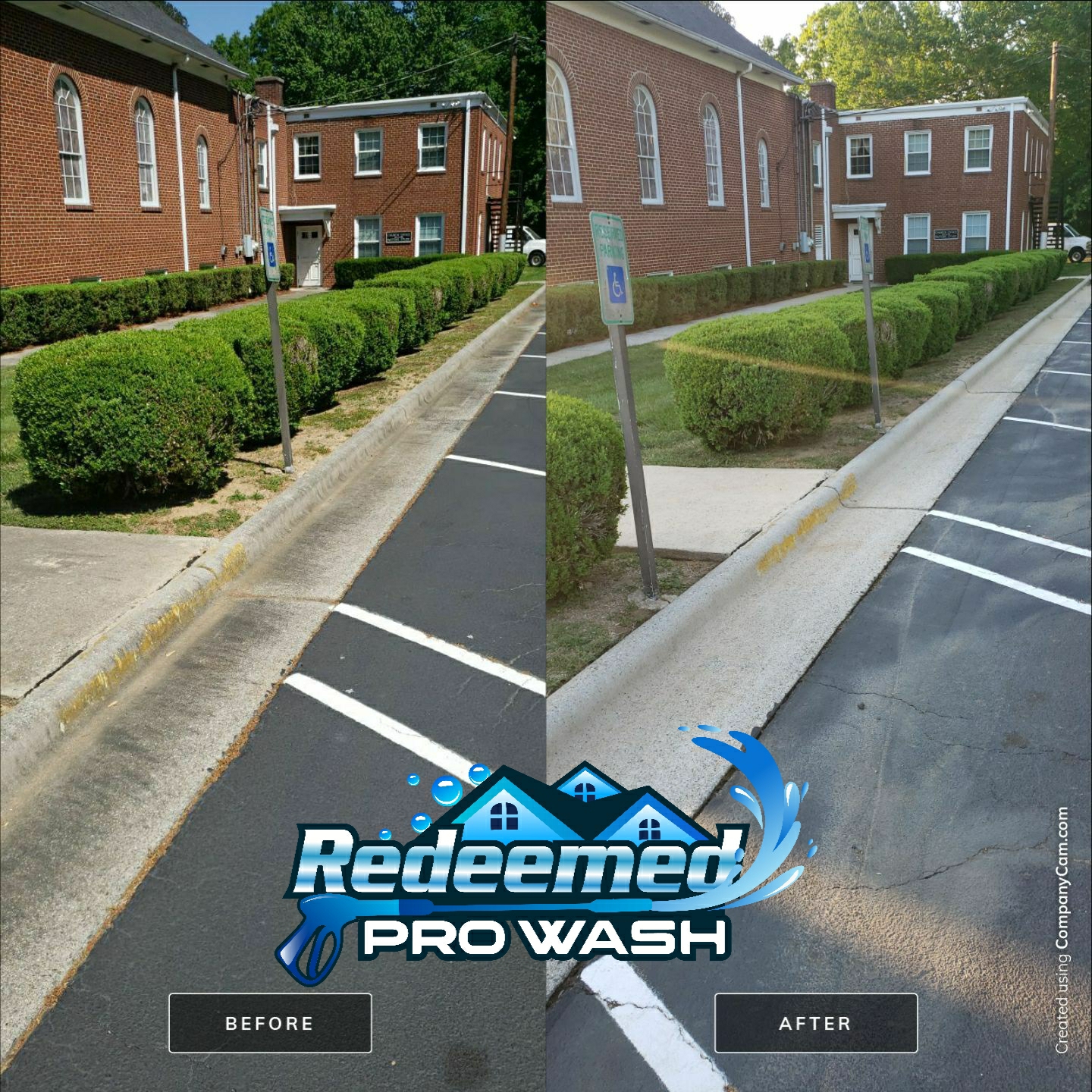
Sidewalks and walking paths top the list. They see daily foot traffic and collect red clay, leaf stains, and mildew, especially in shaded stretches under trees. Dark, slick sidewalks are both an eyesore and a slip risk.
Community entrances and monument signs make the first impression. Brick columns, stone signage, and the concrete around them gather grime and green algae. A clean entrance sets the tone for the whole neighborhood, and it's the one spot every resident and visitor passes every single day.
Shared amenities matter too. Pool decks, clubhouse walkways, mailbox pads, and picnic pavilions all get dirty. These are the spaces residents actually use, so their condition gets noticed quickly, and complaints tend to follow when they look neglected.
Retaining walls, fencing along the common areas, and the concrete around trash and recycling stations round out the list. These lower-profile spots still shape how the community feels, and they are often the first to show green algae in the shade.
Why Green Algae and Mildew Are More Than an Eyesore
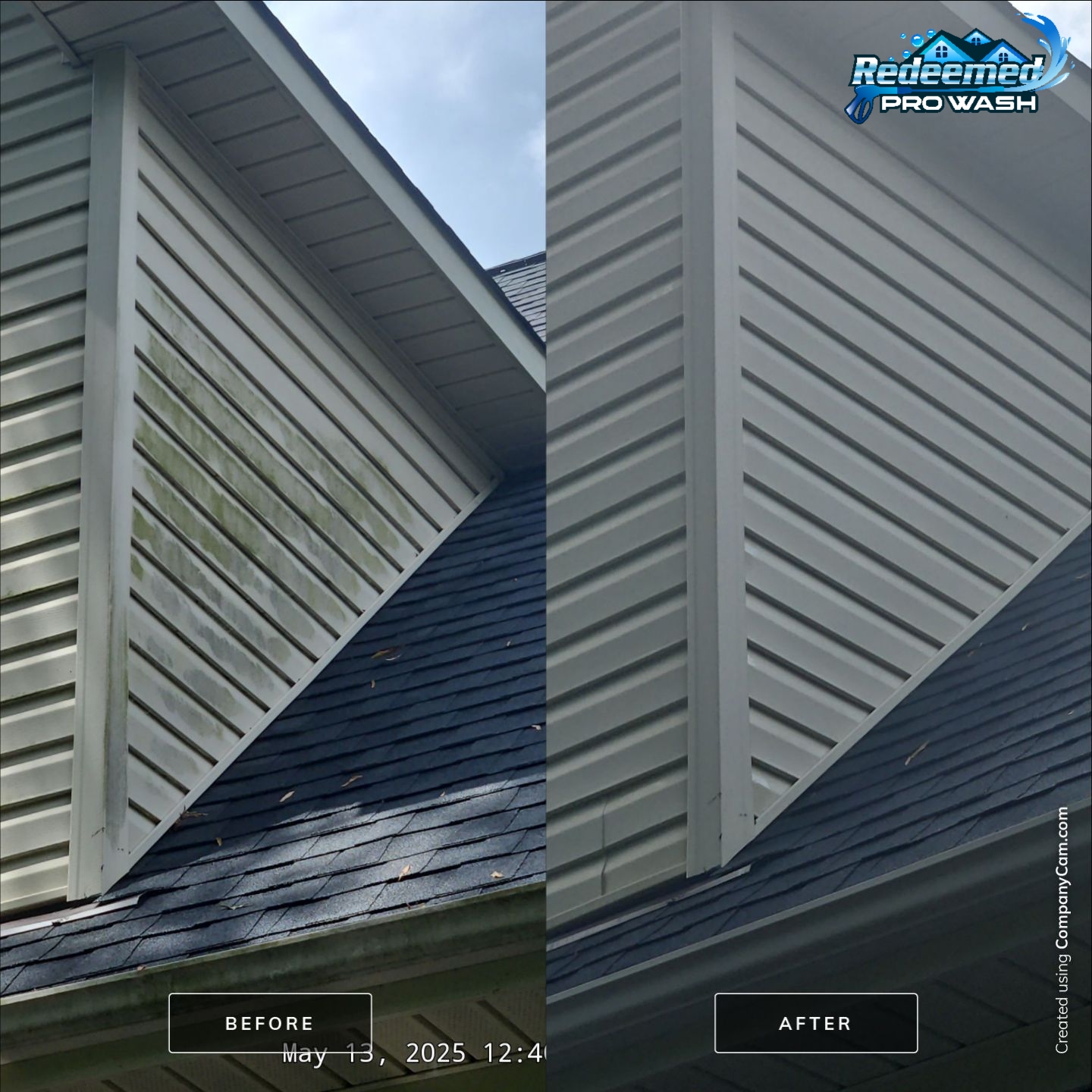
That green or black film on a shaded sidewalk isn't just ugly. It holds moisture, which makes the surface slick and can create a real slip hazard for residents. In a community with older adults and children, that matters.
Organic growth also spreads. Left alone, algae and mildew move from one section of walkway to the next, and from the sidewalk up onto walls and columns. The longer you wait, the bigger the job becomes.
Regular cleaning breaks that cycle. Removing growth early keeps surfaces safer, keeps the community looking maintained, and usually costs less than a large one-time restoration after years of neglect.
There's a liability angle too. A slick, algae-covered walkway that leads to a fall is exactly the kind of preventable problem a board wants to stay ahead of. Keeping shared paths clean is part of responsible property management, not just curb appeal.
The Right Cleaning Method for Each Surface
Concrete sidewalks and pool decks handle strong pressure well. A surface cleaner delivers an even, thorough result across large flat areas without the streaking you get from a handheld wand.
Brick columns, monument signs, stucco, and any painted surfaces need a gentler touch. Soft washing uses low pressure and a cleaning solution to lift mildew and algae without chipping mortar or damaging finishes.
Matching the method to the material protects community property. A local company that understands Triad surfaces will inspect the areas first and use the safe approach for each one.
This matters because HOA property is expensive to repair. A cracked monument sign or a section of siding damaged by too much pressure becomes an assessment nobody wants to explain to residents. The right method the first time avoids that risk entirely.
Planning a Cleaning Schedule That Fits the Budget
HOAs work within set budgets, so predictable cost matters. A recurring schedule, such as an annual or twice-a-year cleaning of sidewalks and entrances, keeps buildup from ever getting bad and spreads the cost evenly.
Timing helps too. Cleaning after the heavy spring pollen season clears away that yellow film. A cleaning before major community events keeps shared spaces looking their best when guests visit.
It also helps to fold cleaning into the association's regular maintenance calendar alongside landscaping and other upkeep. When it's a planned line item rather than a reaction to complaints, the community stays consistently presentable and the board avoids scrambling for emergency service.
We can prioritize the highest-traffic and most-visible areas first if the full property is more than the budget allows in one pass. A clear plan lets the board make good decisions.
Phasing the work is a practical option for larger communities. Clean the main entrance and busiest sidewalks now, then handle the outer sections on a later visit. Spreading the scope keeps a single cleaning from straining the annual budget while still moving the whole property forward.
Working With a Local, Insured Company
Common-area work involves shared spaces and resident safety, so insurance is essential. Redeemed Pro Wash is licensed and insured, which protects the association while we work on community property.
We're locally owned and operated in Gibsonville and serve HOAs throughout the Triad. We know the local weather, the local grime, and the standards communities want to hold. That local knowledge shows up in the results. Being nearby also means we're easy to reach and easy to schedule with when the board needs a plan put together.
Every job starts with a free estimate. We walk the property with the board or manager, identify the priority areas, and provide a clear, itemized price. From there, the association decides what fits.
If your community's sidewalks, entrances, or common areas are looking green and grimy, Redeemed Pro Wash is glad to help. Contact us for a free estimate and we'll put together a plan that keeps your shared spaces clean, safe, and welcoming for every resident.
Related Services & Areas
Frequently Asked Questions
Often, yes, depending on the size. For larger communities we can phase the work by priority, starting with the highest-traffic sidewalks and main entrances, and schedule the rest to fit the budget.
It can be. Algae and mildew hold moisture and make surfaces slick, which raises slip risk. Removing it keeps shared walkways safer for residents.
Many communities do well with an annual or twice-yearly cleaning of sidewalks and entrances. High-traffic or heavily shaded areas may benefit from more frequent attention.
We provide a clear written estimate with the scope and price so the board has what it needs to review and approve the work.