Fence Cleaning Services in North Carolina
Safe, low-pressure fence cleaning for vinyl, wood, and aluminum across the North Carolina Triad. We remove green algae, mildew, and gray grime from both sides and bring your fence back to life. Licensed and insured. Free estimates.
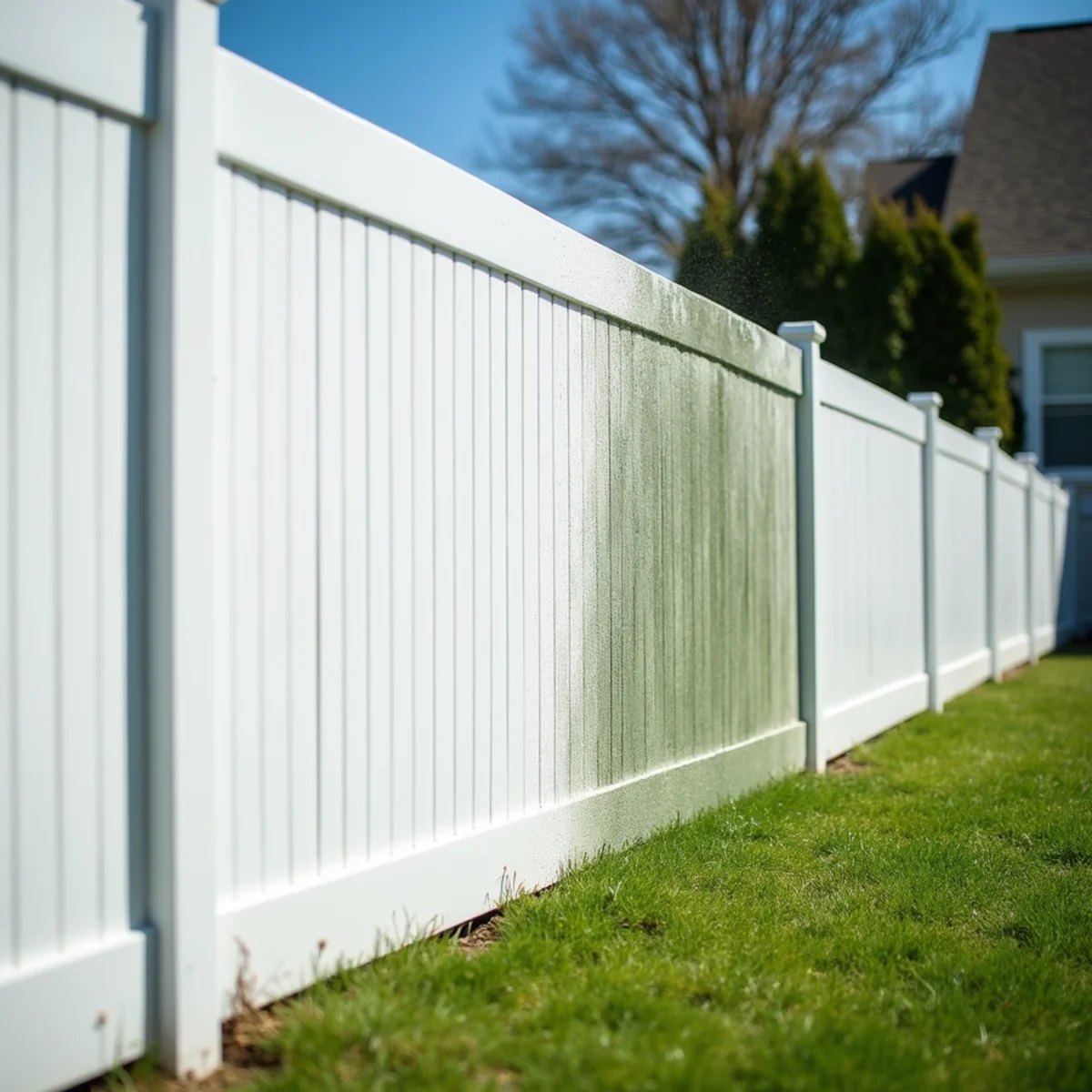
Fence cleaning services in North Carolina are one of the fastest, most affordable ways to sharpen the look of your entire property. Your fence lines your yard, frames your view, and takes the full brunt of Triad weather all year. Over time it collects a green film of algae, black mildew spots, red clay splatter, and a dull gray haze that makes even a newer fence look tired.
At Redeemed Pro Wash, we clean fences the right way for the material in front of us. Vinyl, wood, and aluminum each respond differently to pressure, so we lead with soft washing, a low-pressure method that uses plant-safe cleaning solutions to lift growth and grime at the root instead of blasting it off. That protects the surface and gives you a cleaner result that lasts longer.
We are an owner-operated company based in Gibsonville, serving Greensboro, High Point, Winston-Salem, Burlington, and the surrounding Triad. Every job is handled by people who live here and know exactly what our humidity and red clay do to a fence. Pricing starts at $149, and estimates are always free.
Key Takeaways
- Fence cleaning is a fast, affordable way to sharpen your whole property, with pricing that starts at $149 and free estimates.
- We soft wash by default, using plant-safe solutions and low pressure to kill algae at the root without scarring vinyl, splintering wood, or bending metal.
- The right method depends on the material: vinyl, wood, and aluminum each need a different touch, and high pressure is the main cause of fence damage.
- A complete clean covers both sides of the fence, since the shaded side is usually the dirtier one and algae spreads if only one face is cleaned.
- Once a year suits most Triad fences, with shaded or damp fences needing attention every eight to twelve months.
What Actually Builds Up on Your Fence
Most of what dulls a fence is living. The green tint you see is algae, and the black spots and streaks are mildew and mold. These organisms thrive in warm, damp, shaded conditions, which describes a North Carolina summer almost perfectly. They root into the texture of the surface, so a quick rinse with a garden hose only knocks off the loose top layer while the growth underneath keeps spreading.
On top of the biological growth you get the mineral and dirt problems. Red clay and iron-oxide runoff splash up from the ground and stain the lower boards a rusty orange. Heavy spring pollen coats everything in yellow. Lawn-mower clippings, sprinkler overspray, and dust from gravel drives all settle into the grain. Wood fences add their own issue as they age: a silvery-gray surface layer of oxidized, weathered fibers that hides the original color of the wood underneath.
Understanding what you are actually removing is the whole point, because each of these problems calls for a slightly different approach. Killing algae is a cleaning-solution job, not a pressure job. Lifting gray weathering off wood is a surface-fiber job. Rinsing pollen and dust is easy. A good fence cleaning addresses all of it in one visit.
Why We Soft Wash Fences Instead of Blasting Them
Soft washing means we apply a plant-safe cleaning solution, give it time to break down the algae, mold, and grime, and then rinse at low pressure. The cleaner does the work, not raw force. This matters more on a fence than almost anywhere else on your property, because fence surfaces are thin and exposed on both sides.
High pressure feels like it should clean faster, but on a fence it causes real damage. On wood it splinters and furrs the grain, gouges soft boards, and strips protective stain. On vinyl it can crack panels, force water behind them, and etch a permanent dull streak into the surface. On aluminum, thin pickets and rails can actually bend under a tight, close stream. Once that damage is done, no amount of cleaning fixes it.
Soft washing also solves the biggest weakness of pressure alone. A pressure washer removes the algae you can see but leaves the microscopic roots behind, so the green comes back fast. A proper cleaning solution kills the growth down to the root, which is why a soft-washed fence stays clean noticeably longer than one that was simply blasted. When a section genuinely needs a light rinse with controlled pressure, such as a durable, well-sealed hardwood fence, we use it carefully and at a safe distance. The method always fits the material.
Cleaning Vinyl Fences the Safe Way
Vinyl is the most common fence we clean in the Triad, and it is deceptively easy to damage. It looks tough, but the surface is a thin skin of PVC that scars if you hit it with too much pressure at close range. That scarring shows up as a permanent frosted or streaked look that many homeowners mistake for a cleaning failure when it is really pressure damage.
Vinyl is a magnet for algae because its smooth surface holds a fine layer of nutrients and moisture that algae feed on. You will usually see the heaviest green growth on the shaded, north-facing side and along the bottom rails where splashback keeps things damp. Because vinyl is non-porous, it responds beautifully to soft washing. Our cleaning solution lifts the algae and mildew off the surface, and a low-pressure rinse carries it away, leaving the vinyl bright without a single scratch.
We clean both sides. Algae does not respect property lines, and the side you see less often is frequently the dirtier one. Cleaning only the street-facing side leaves the growth alive to creep right back around, so a complete job means both faces of the fence and the posts and caps too.
Cleaning Wood Fences Without Damaging the Grain
Wood is the material where technique matters most. A wood fence is porous, which means algae and mildew root deeper and the wood itself softens and weathers with age. Pine, cedar, and pressure-treated pickets all behave a little differently, and older, drier boards need an even gentler touch than newer ones.
We use soft washing to treat the growth and then rinse with carefully controlled low pressure that follows the grain instead of fighting it. The goal is to lift the gray, oxidized surface layer and the biological growth without raising the grain, furring the fibers, or gouging the soft spots. Done correctly, this can bring back a surprising amount of the wood's natural tone that was hidden under years of gray haze.
If you are planning to stain or seal your wood fence, cleaning first is essential. Stain will not bond properly over algae, mildew, or a chalky weathered layer, so a clean surface is what makes a new stain job actually last. We are happy to clean with that goal in mind so your fence is ready for the next step.
Cleaning Aluminum and Metal Fences
Aluminum and wrought-style metal fences are common around pools, ornamental yards, and many Triad neighborhoods. They are low-maintenance by design, but they still collect a dull film of dirt, pollen, cobwebs, and light algae, especially where they sit near shrubs or irrigation.
These fences almost never need pressure. Thin pickets and hollow rails can dent or bend under a tight stream, so we clean them with a cleaning solution and a gentle rinse that removes the film and brightens the finish without stressing the metal. Where powder-coated finishes are involved, a soft approach also protects the coating so the color stays even.
The result is a clean, sharp-looking fence that sets off the rest of your landscaping, achieved without any of the risk that comes from aiming a pressure washer at lightweight metal.
What Can Go Wrong With the Wrong Approach
Most fence damage we get called to look at was caused by good intentions and the wrong tool. A rented pressure washer at full power leaves a trail of clues: splintered and furred wood, streaked or frosted vinyl, gouge lines where the operator got too close, and stripped stain that now needs to be redone.
There is also the problem of water intrusion. Blasting a fence at the wrong angle can drive water behind vinyl panels or deep into wood joints, where it encourages rot and feeds the very mold you were trying to remove. And harsh, unbalanced chemicals can bleach wood unevenly or kill the plants and grass along the fence line.
Our approach is built to avoid every one of these outcomes. We match the pressure to the material, keep a safe distance, use plant-safe and eco-conscious cleaning solutions, and pre-wet and rinse surrounding landscaping so your beds and lawn are protected. Being licensed and insured means that careful, accountable work is the standard, not the exception.
How Often Should You Clean Your Fence in North Carolina
For most Triad homes, a professional fence cleaning once a year keeps things looking sharp and stops algae from getting established. Our humidity and long, warm growing season give algae and mildew plenty of time to take hold, so a yearly reset is a reasonable rhythm for the majority of fences.
Some fences need attention more often. If yours sits in heavy shade, backs up to woods, sits near a pond or creek, or gets soaked by a sprinkler every morning, it stays damp longer and grows algae faster. North-facing sides that rarely see direct sun are usually the first to turn green. Those situations can call for cleaning every eight to twelve months to stay ahead of it.
You can stretch the time between professional cleanings with a little maintenance. Trimming back shrubs and vines improves airflow and lets the fence dry out, aiming sprinklers away from the fence line reduces constant moisture, and a quick hose rinse now and then clears pollen and surface dust before it sets in.
What to Expect and How to Get a Free Estimate
When you book with Redeemed Pro Wash, we start by identifying your fence material and its condition, then choose the right cleaning solution and pressure for the job. We protect nearby plants and beds, apply the solution, let it work, and rinse thoroughly so both sides of the fence come out clean and even. Most residential fences are completed in a single visit.
Fence cleaning is also a natural pairing with the rest of your exterior. Many customers have us clean the fence along with the house, driveway, deck, or patio in the same visit, which is often the most cost-effective way to refresh the whole property at once. Cleaning restores appearance and helps you avoid replacing a fence early simply because it looked worn out, though we will always give you an honest read on whether a fence is cleanable or genuinely at the end of its life.
We are a local, owner-operated company with 50 five-star Google reviews from your Triad neighbors, and every fence cleaning is backed by careful, insured work. Pricing starts at $149, and we would be glad to take a look. Call Brian at (351) 242-0666 or reach out online for your free, no-pressure estimate anywhere in Gibsonville, Greensboro, High Point, Winston-Salem, Burlington, and across North Carolina.
What We Clean
- Vinyl and PVC privacy fences
- Wood fences (pine, cedar, pressure-treated)
- Aluminum and ornamental metal fences
- Wrought-iron-style fencing
- Composite fencing
- Fence posts, caps, and top rails
- Green algae and mildew on both sides
- Red clay and iron-oxide staining along the base
- Gray weathering and oxidation on wood
- Pollen, dust, and cobweb buildup
Our Process
- Step 1
Identify the Material and Condition
We start by checking whether your fence is vinyl, wood, or metal and assessing how much growth and staining is present. That determines the right cleaning solution and the safe pressure for the job.
- Step 2
Protect the Surroundings
We pre-wet and rinse nearby plants, beds, and grass so our plant-safe cleaning solutions do their work on the fence without stressing your landscaping.
- Step 3
Apply the Cleaning Solution
We soft wash the fence with an eco-conscious solution that breaks down algae, mold, and mildew at the root, then give it time to work so the growth is killed, not just knocked loose.
- Step 4
Rinse at Low Pressure
We rinse both sides of the fence at controlled low pressure, matched to the material, lifting the grime away without splintering wood, scarring vinyl, or bending metal.
- Step 5
Final Walkthrough
We check posts, caps, and both faces of the fence for an even, complete clean and make sure you are happy with the result before we pack up.
Pro Tips from Brian
- Clean the shaded, north-facing side first and most thoroughly. It stays damp longest and is almost always where algae takes hold before it spreads around the fence.
- Always clean a wood fence before staining or sealing. Stain will not bond over algae, mildew, or a gray weathered layer, so cleaning is what makes the new finish actually last.
- Keep sprinklers aimed away from the fence line. Constant morning overspray keeps the wood or vinyl damp and feeds the exact algae growth you are trying to prevent.
- Trim shrubs and vines back off the fence to improve airflow. A fence that can dry out in the sun grows algae far more slowly than one buried in vegetation.
- Skip the rented pressure washer on vinyl and aging wood. Too much pressure leaves permanent scarring and splintering that cleaning cannot undo, and the algae grows right back anyway.
- Bundle fence cleaning with your house wash or driveway. Doing the whole exterior in one visit is usually the most cost-effective way to refresh your property.
What Affects Your Price
Fence Cleaning starts at $149. Most companies hide pricing — we don't. Here's what shapes the final number:
- Total length and height of the fence, since pricing generally scales with the square footage of surface we clean on both sides
- Fence material, because wood, vinyl, and metal each require different solutions and technique
- How heavy the algae, mildew, and staining are, since a fence that has not been cleaned in years takes more solution and time
- Whether both sides are accessible, as tight spaces between fences or dense landscaping add labor
- Amount of red clay and hard staining along the base, which is more stubborn than surface dirt
- Whether you bundle the fence with other services like house washing or driveway cleaning, which lowers the effective per-service cost
Every estimate is free, written, and itemized — no surprise fees.
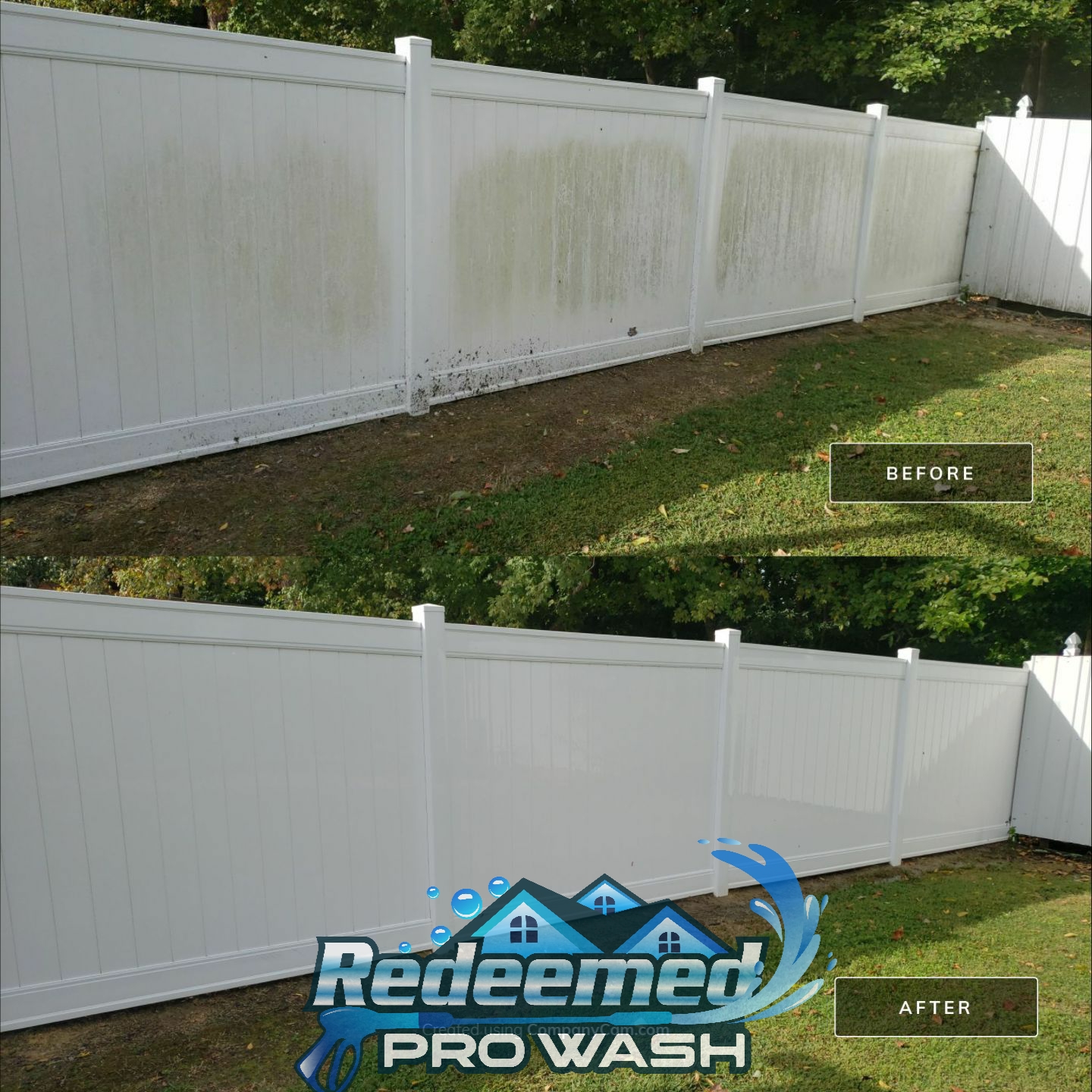
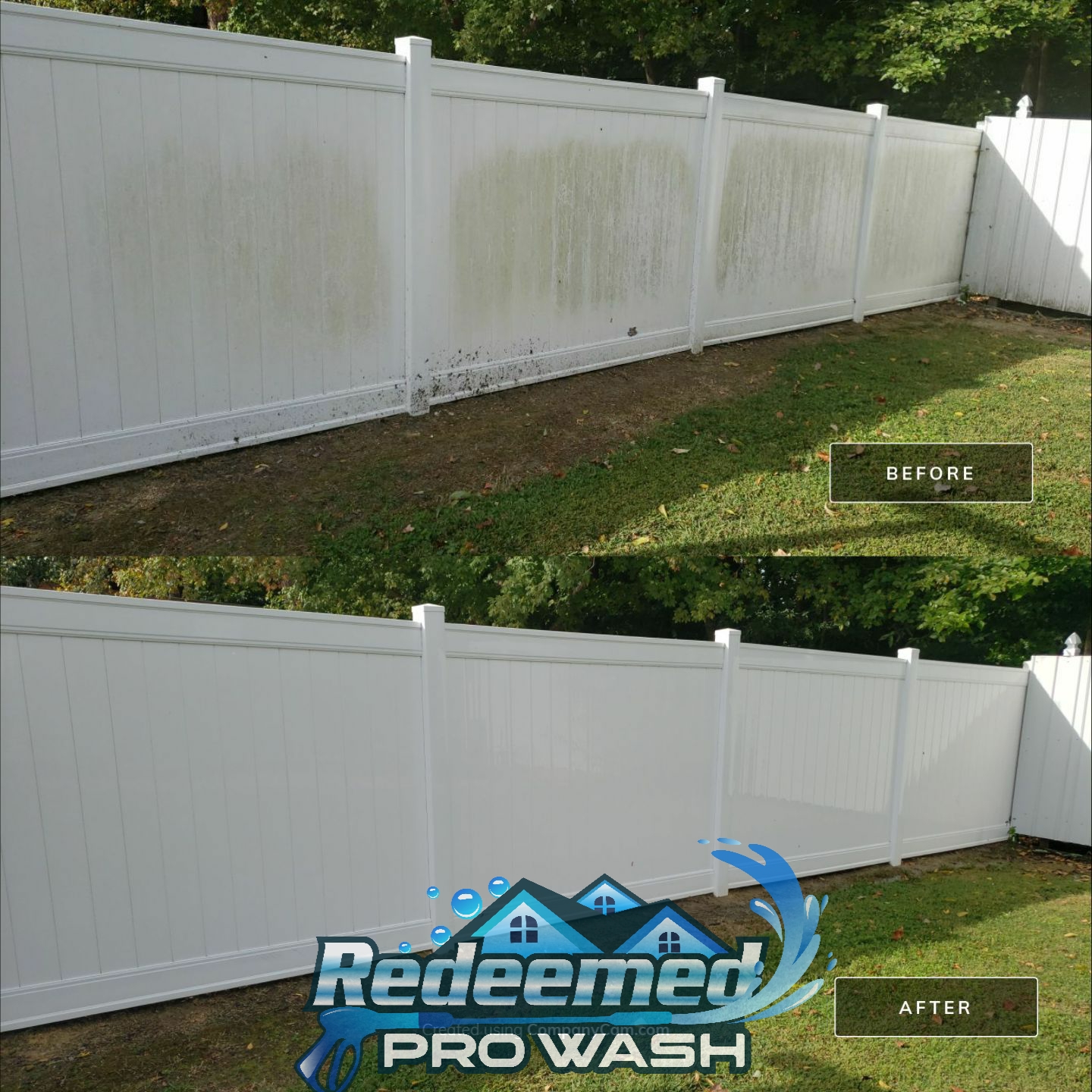
Fence Cleaning — Before & After
Actual work from Redeemed Pro Wash customers across the Triad.
 Before / After
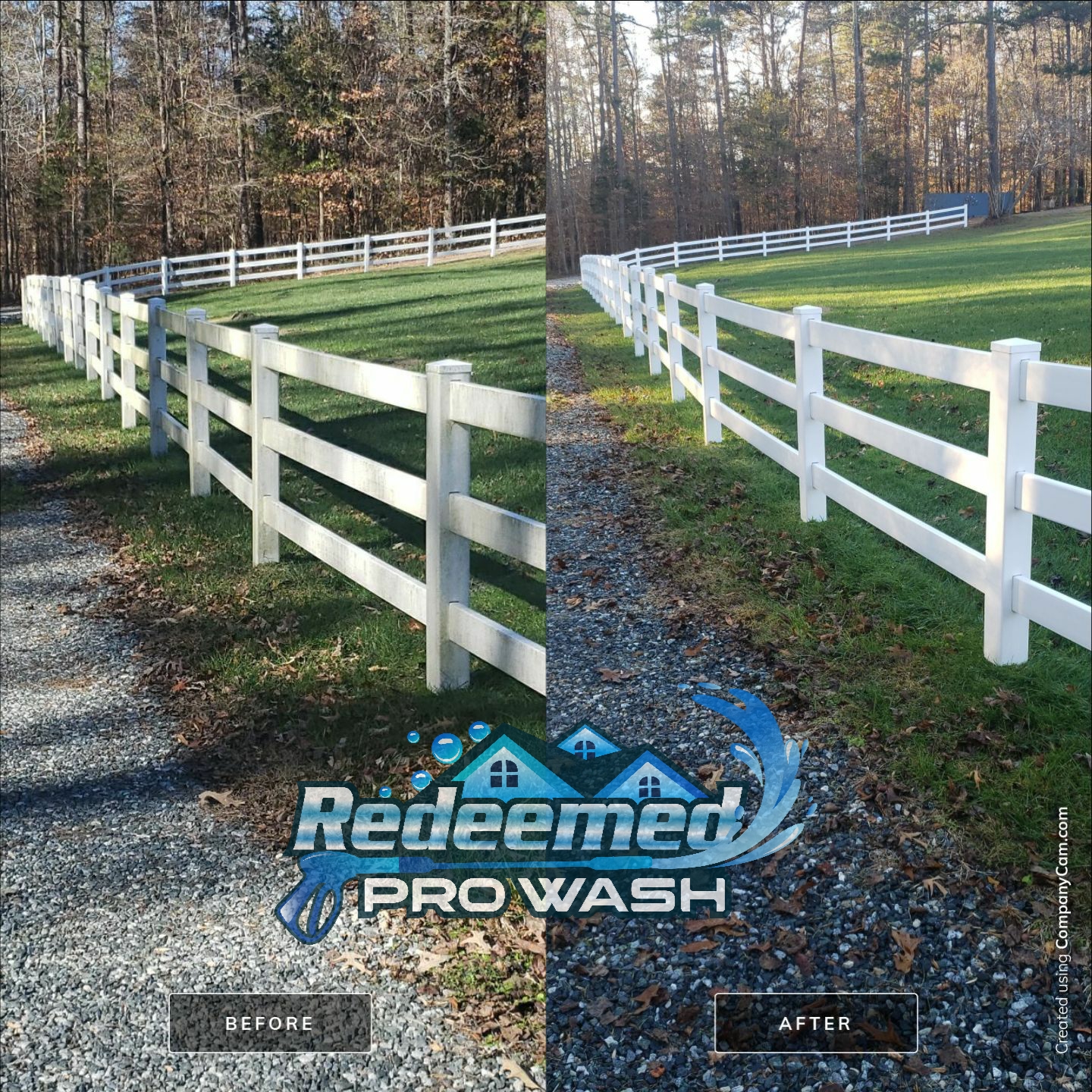 Before / After
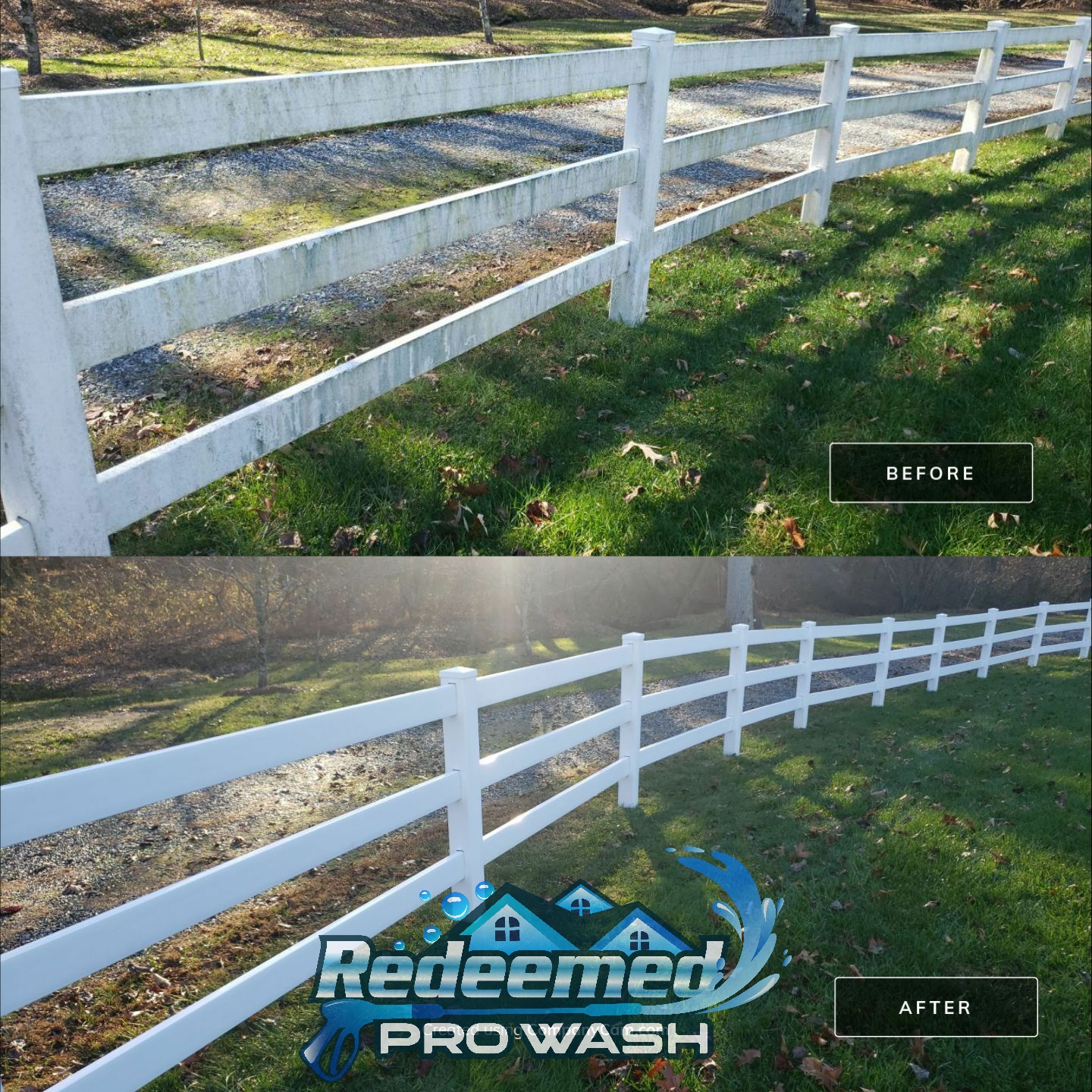 Before / After
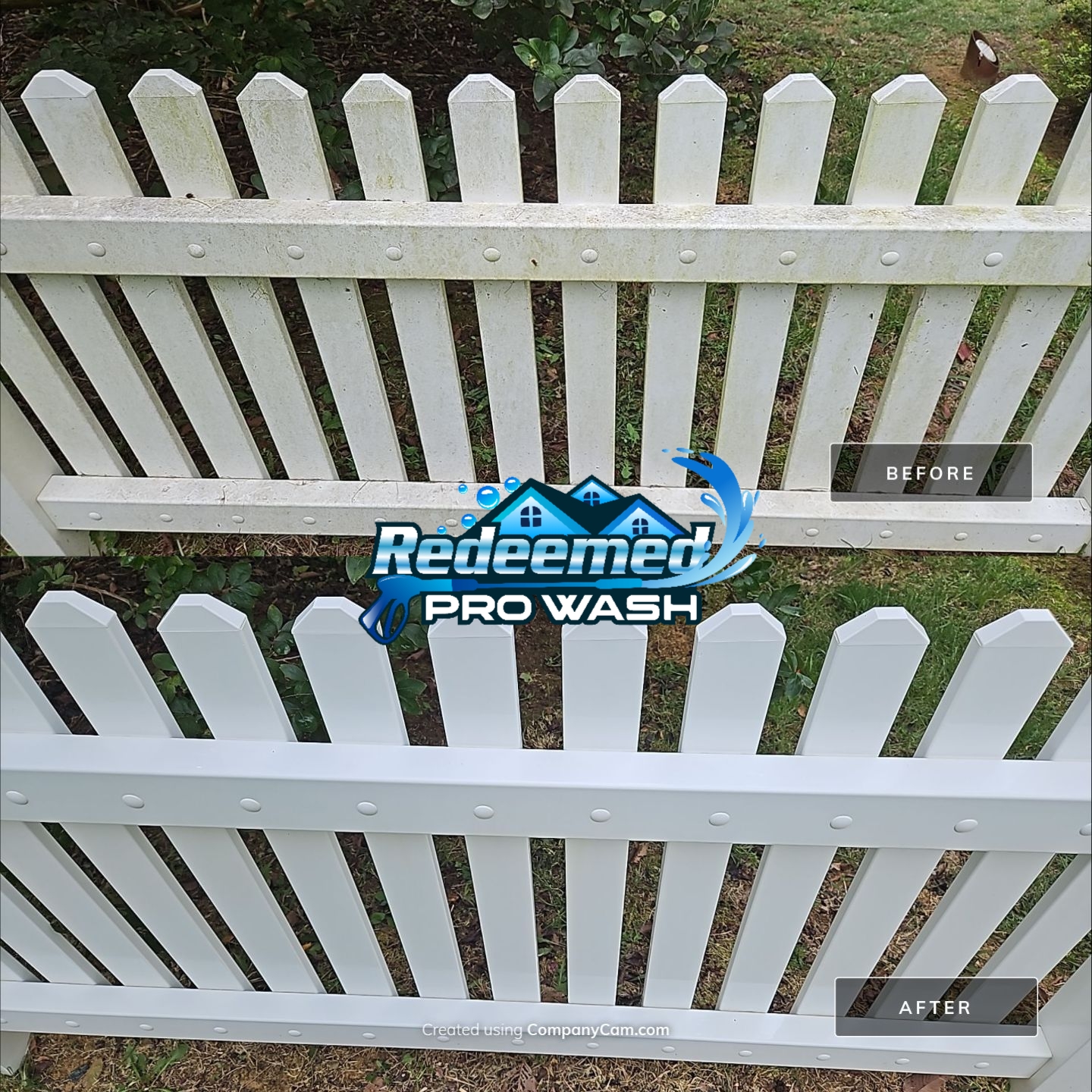 Before / After
Fence Cleaning Across the NC Triad
We provide fence cleaning in these communities and more:
Related Services
Fence Cleaning FAQs
Our fence cleaning starts at $149. Final pricing depends on the length and height of your fence, the material, and how heavy the algae and staining are. The most cost-effective approach is often bundling fence cleaning with a house wash or driveway cleaning in the same visit. Estimates are always free, so the simplest way to get an exact number is to call us for a quick look.
We lead with soft washing, which uses a plant-safe cleaning solution and low-pressure rinse. This kills algae and mold at the root and protects the surface, which is safer and longer-lasting than high pressure on vinyl, wood, and metal. Where a durable, well-sealed surface can handle it, we use light, controlled pressure at a safe distance. The method always matches the material.
High pressure can absolutely damage a fence. On vinyl it can crack panels and leave permanent frosted streaks, and on wood it splinters the grain and strips stain. That is exactly why we soft wash. Our low-pressure method removes the algae and grime without scarring the surface or forcing water behind panels.
Yes. Algae grows on both faces, and the side you see less is often the dirtier one. Cleaning only one side leaves the growth alive to spread right back, so a complete fence cleaning always includes both sides plus posts and caps.
For most Triad homes, once a year keeps a fence looking sharp and stops algae from getting established. Fences in heavy shade, near water, or hit by daily sprinklers stay damp longer and may need cleaning every eight to twelve months to stay ahead of the green.
Yes, that is the core of what fence cleaning does. Our cleaning solution breaks down and kills algae, mold, and mildew at the root rather than just rinsing the surface, which is why the fence stays clean longer. Heavy, set-in staining like deep red clay may lighten significantly, and we will give you an honest read on what to expect before we start.
We use eco-conscious, plant-safe solutions and take care to pre-wet and rinse the landscaping around your fence line. Protecting your beds, grass, and shrubs is part of how we work, and being licensed and insured means that care is the standard on every job.
Definitely. Stain and sealer will not bond properly over algae, mildew, or a gray weathered layer, so cleaning first is what makes a new finish last. If you plan to stain, let us know and we will clean with that goal in mind so your fence is ready for the next step.
We are based in Gibsonville and serve the entire North Carolina Triad, including Greensboro, High Point, Winston-Salem, and Burlington, plus surrounding communities statewide. We are owner-operated with 50 five-star Google reviews from local customers.